

Make your portfolio not just Return efficient but also Tax efficient
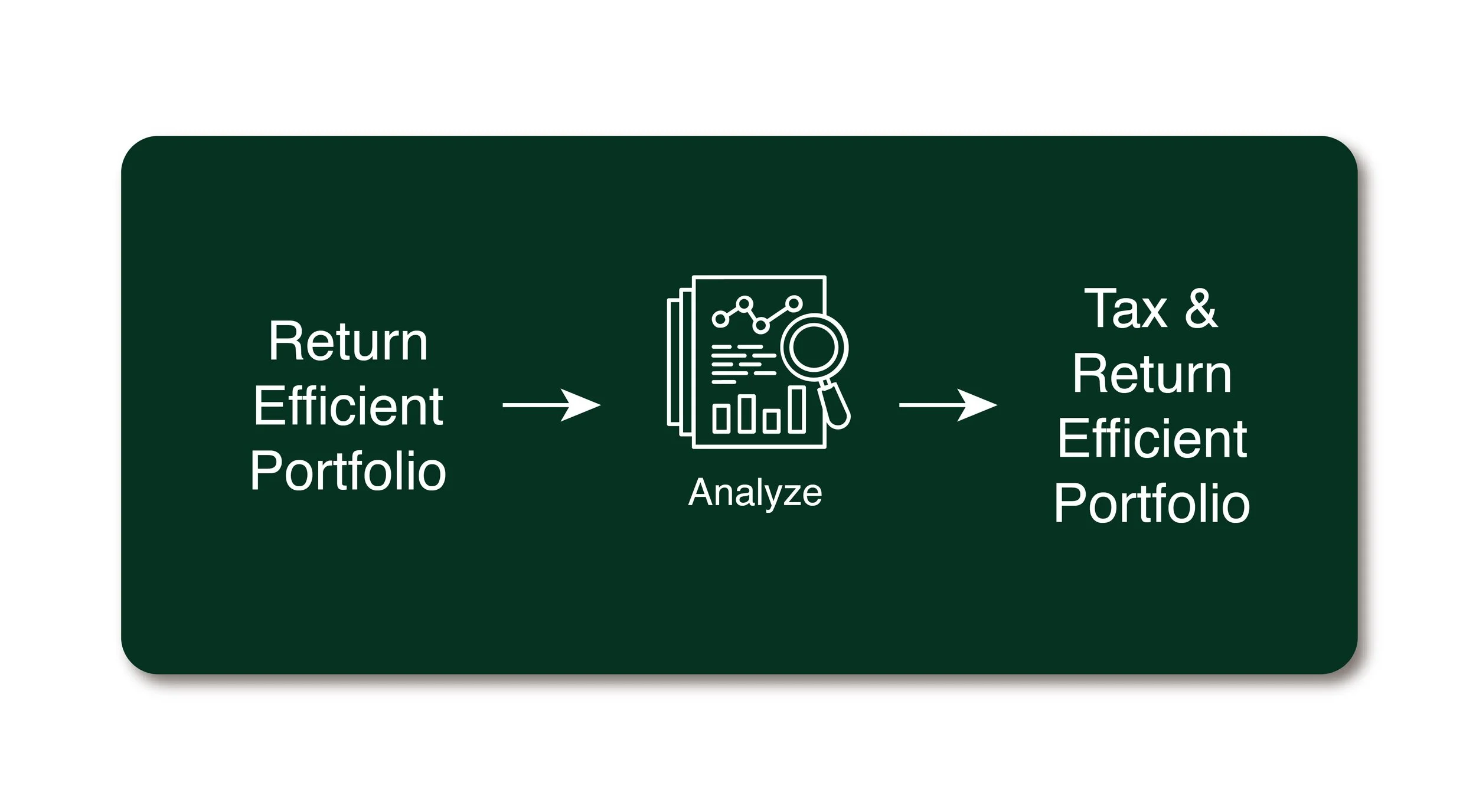
Gross returns tell only half the story; true wealth is measured by your after-tax spending power. Comprehensive financial planning looks beyond performance to implement asset location, strategically placing investments across distinct account types to minimize the ongoing drag of federal and state taxes.
Why Multi-Account Investing is Necessary
Relying on a single account type forces you to play defense against shifting tax laws, whereas a multi-account strategy actively secures your long-term wealth by eliminating annual tax drag and creating vital tax diversification. By isolating high-yield interest and taxable distributions inside sheltered wrappers, you ensure your capital compounds unimpeded while gaining absolute control over your marginal tax bracket during retirement withdrawals. This strategic allocation defuses future regulatory tax bombs, protects your Social Security from higher tax thresholds, and pre-funds major family milestones like healthcare and education with highly subsidized, tax-free dollars.
The Core Tax-Efficient Accounts
To execute this strategy, a robust wealth plan coordinates five essential account structures. It leverages
Health Savings Accounts (HSAs) for triple-tax-advantaged healthcare growth
Roth accounts for entirely tax-free retirement distributions
Pre-Tax traditional accounts to defer ordinary income taxes during peak earning years
529 plans to completely shelter education funding
And flexible Taxable Brokerage accounts to capitalize on capital gains rates and active tax-loss harvesting.
What to Consider: Sizing Your Account Buckets
Tax Bracket Arbitrage: Compare your current marginal tax bracket to your expected retirement bracket to mathematically decide between pre-tax deferrals and Roth contributions.
Liability Horizon Matching: Align the funding sizes of your 529 and HSA directly with projected education timelines and lifetime healthcare liabilities to avoid over-funding penalties.
Liquidity and Flexibility Needs: Maintain enough capital in your taxable brokerage account to act as a bridge for early retirement or large capital purchases before age 59½.
Contribution and Regulatory Limits: Maximize the strict statutory annual ceilings on HSAs and workplace retirement plans first before overflowing residual savings into taxable wrappers.
Strategic Allocation in Action: A Modern Case Study
Consider a 35-year-old Bay Area couple with a 5-year-old child and a second baby on the way, planning for retirement in 30 years. With expanding family liabilities and a high combined household income placing them in a steep federal and California state tax bracket, their hypothetical $100,000 annual savings goal must be highly structured.
This structure allows the growing family to maximize their upfront tax deductions via pre-tax workplace accounts, completely max out a family HSA to shield upcoming delivery and pediatric medical expenses, double their 529 allocation to cover both children's college tracks tax-free, and build a massive tax-free retirement pipeline through dual backdoor Roth IRAs—all while maintaining liquidity in a flexible taxable brokerage wrapper.
The Power of Professional Guidance: Advisor Value
A $100,000 annual savings goal rarely happens by accident; it requires a structured, proactive roadmap that a financial advisor tailors to your cash flow. An advisor systematically analyzes your household balance sheet to uncover hidden capacity, optimizes your workplace equity and bonus structures, and builds an automated savings waterfall to route income before it can be frictionally spent. Beyond identifying the raw capital, an advisor manages the complex execution of this multi-wrapper strategy—safely coordinating backdoor Roth pipelines, preventing costly tax penalties, and continuously rebalancing your portfolio behind the scenes to maximize what you keep, not just what you earn.
